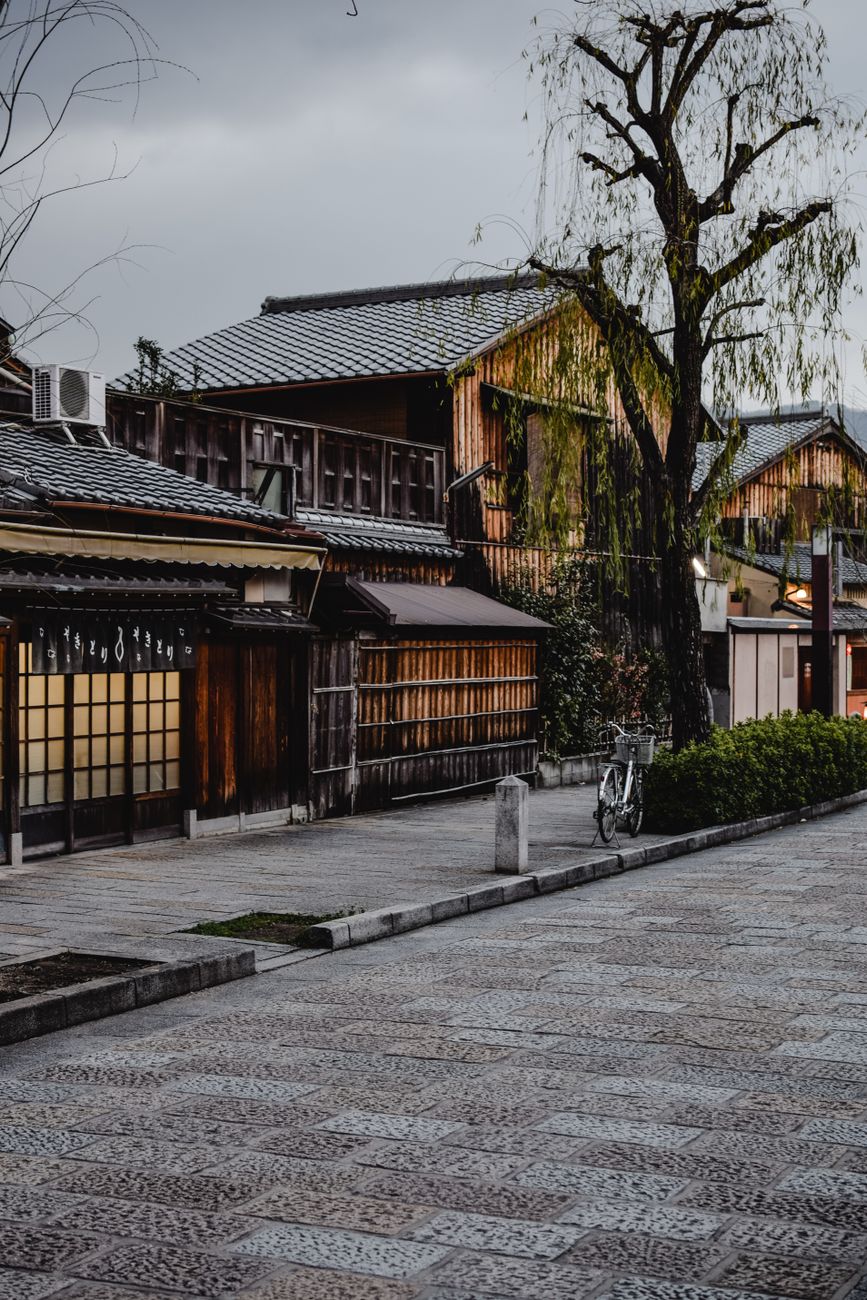
Morning in the historic districts arrives not with sirens, but with the dry scrape of bamboo brooms sweeping slate flagstones.
1. The Shadow and the Timber
Traditional Kyoto architecture relies on the nuanced manipulation of shade. Inside the narrow lattice frontages of a historic townhouse (machiya), sunlight does not flood the interior; it filters gently through cedar slats, creating gradations of amber over tatami mats. The atmosphere invites quiet introspection, prompting one to lower their voice and move with deliberate grace.
During our three-week stay, our mornings revolved around the preparation of freshly whisked matcha, water sourced from clean mountain cisterns, and conversations with fourth-generation joiners repairing wooden sliding screens without a single iron nail.
2. Beyond the Postcard
Kyoto is undeniably celebrated, yet beneath the surface of touristic itineraries lies an astonishingly tranquil daily fabric. By avoiding congested temple complexes and wandering instead through residential temple neighborhoods in northern Kita-ku, visitors can experience monastic gravel gardens undisturbed, enveloped only by birdsong and the scent of damp moss.
Understanding Kyoto requires surrendering the instinct to hurry. One must allow hours to be spent observing a single raked sand circle or drinking sencha in a sunlit alcove.